 +91-9920744926
 139, 1St Floor,
Lodha Boulevard,
Majiwada, Thane West -400601
 Mon- Sat: 11:00 am to
8:00 pm

 Home /
Searching for "daant ka ilaj Thane mein" usually means you need help with a painful tooth, a cavity or a problem while chewing. The right treatment depends on the cause. A filling, root canal treatment and tooth removal solve different problems; they are not interchangeable choices you can safely make from a search result.
This guide explains how to get a dental problem assessed in Thane, what treatment options may be discussed, what you can do while waiting for an appointment and which symptoms need urgent help. It is for patients in Majiwada and nearby areas who want a clear plan rather than a list of medicines to try themselves.
A wording clarification: "Daant" means tooth. "Daad" commonly refers to a skin condition such as ringworm. This page is about teeth and dental care, not skin treatment. If you have an itchy skin rash rather than a tooth problem, seek advice from a qualified medical clinician. The Dental Solutions is a dental clinic.
Quick answer: how is a painful or decayed tooth treated?
A dentist first checks the tooth, gums and symptoms, and may recommend an X-ray when needed. Early decay may be managed with fluoride treatment and preventive care. A cavity may need a filling. Decay or infection involving the tooth's pulp may need root canal treatment; a tooth that cannot be kept may need removal. Swelling, fever or a suspected abscess needs urgent dental assessment. Difficulty breathing, swallowing or speaking, or swelling around the eye or neck, needs immediate hospital emergency care.
This is general information, not a diagnosis, prescription or promise of a particular treatment. A dentist must examine you before advising what is appropriate for your tooth.
Contents
- Tooth pain and decay: what may be causing the problem
- Urgent symptoms and safe steps before your visit
- What happens during a dental assessment
- Fillings, root canal treatment and tooth removal
- Questions about cost, children and aftercare
- Finding dental care in Thane and preventing future problems
- Frequently asked questions
1. Tooth pain is a symptom, not a diagnosis
Toothache can come from decay, a cracked tooth, a broken or loose filling, gum disease, grinding, sensitivity or a problem around a partly erupted wisdom tooth. These causes can feel similar. Pain with hot or cold food does not, by itself, prove that a root canal is needed. Equally, a tooth that looks normal in the mirror can still need attention.
Write down when the pain began and what triggers it. Does it happen while biting, after cold water or without any clear trigger? Is it in one place, or difficult to locate? Have you noticed swelling, a bad taste or a broken edge? This history helps your dentist, but it should not be used to diagnose yourself.
Tooth decay may have no symptoms early on. As it progresses, a cavity can form, sensitivity or pain can develop and infection can occur. White, brown or black areas may need assessment, but colour alone cannot tell you how deep a problem is. Regular check-ups matter even when there is no pain.
2. When should you seek urgent dental or hospital care?
Contact a dentist promptly for persistent toothache, pain that is not settling, pain when biting, red gums, a bad taste, fever or cheek or jaw swelling. NHS patient guidance recommends dental assessment for toothache lasting more than two days. Do not treat that as permission to wait if symptoms are severe or getting worse.
A dental abscess is a collection of pus caused by infection. Possible symptoms include intense tooth or gum pain, a swollen face or jaw, a bad taste, fever and difficulty chewing or opening the mouth. An abscess will not go away on its own. Ask for an urgent dental appointment rather than repeatedly buying medicine without assessment.
Go to the nearest hospital emergency department immediately if swelling makes breathing, swallowing or speaking difficult, or if swelling involves the eye or neck. A swollen or painful eye, vision problems, extensive mouth swelling or marked difficulty opening the mouth also needs emergency assessment. Do not wait for a routine clinic slot when these symptoms occur.
When calling for help, describe the symptoms clearly rather than saying only "tooth pain". Tell the team if there is swelling, fever, trouble swallowing or a medical condition that may affect care. Calling a clinic does not guarantee an emergency appointment; hospital-level symptoms should not be delayed while you search for availability.
3. What can you do safely while waiting for a dentist?
Choose soft food and avoid chewing on the sore side. Very hot, very cold or sugary food may make symptoms worse. Keep cleaning gently with a soft toothbrush. These steps may reduce discomfort, but they do not remove decay, repair a fracture or treat an abscess.
A pharmacist or clinician can advise whether a painkiller is suitable for you. Follow the product directions and do not exceed the recommended dose. Tell them about pregnancy, other medicines, allergies and medical conditions. Children need age-appropriate advice; children under sixteen should not take aspirin. This article does not prescribe a dose or recommend a medicine for your individual case.
Adults who can rinse and spit safely may find a warm salt-water rinse helpful for temporary comfort. Do not swallow it. This is not suitable for children who may swallow the rinse, and it is not a cure for an infected tooth. Avoid smoking, which can make dental problems worse.
Do not put skin creams, antifungal preparations or household chemicals on a tooth or gum. Do not try to drain swelling yourself. If symptoms ease temporarily, keep the dental appointment: improvement in pain does not establish that the cause has been treated.
4. What happens during a dental assessment?
The visit usually begins with your symptoms and medical history. Bring a list of medicines and mention allergies, previous dental treatment, pregnancy and relevant health conditions. If you already have dental reports or X-rays, ask whether bringing them would be useful. Do not stop prescribed medicines on your own before the visit.
The dentist examines the teeth and gums and checks the area that bothers you. Depending on what they find, they may suggest imaging or other checks. Not every toothache needs the same investigation. Ask what each recommended test is intended to clarify and how it will affect the treatment decision.
Before agreeing to treatment, ask the dentist to explain the diagnosis in plain language. Which tooth is involved? Is the problem limited to the tooth surface, deeper in the tooth or related to the gums? What are the reasonable options, and what may happen if treatment is delayed?
A useful plan separates immediate pain or infection management from any later restorative work. You may need more than one appointment. Ask what will happen today, what will happen next and whom to contact if symptoms change between visits. A clear sequence makes it easier to plan work, travel and follow-up care.
5. Early decay and cavities: when might a filling be needed?
Treatment depends on how far decay has progressed. According to NHS guidance, a dentist may use fluoride treatments for early decay. Once a hole has formed, a filling may be needed. The choice follows an examination, not a fixed rule that every sensitive tooth needs drilling.
If a filling is proposed, ask which material is suitable, how much tooth structure remains and whether the tooth needs any additional protection. The location and extent of the problem affect the plan. Avoid choosing treatment only because one material has a fashionable name or a lower advertised starting price.
A filling also needs follow-up care. Ask when you can eat normally, what temporary symptoms might occur and when to call if your bite feels uncomfortable. Persistent or worsening pain after treatment should be checked rather than assumed to be normal. Keep the instructions given for your particular tooth.
6. Root canal treatment: what problem does it address?
When decay reaches the pulp, the soft tissue inside the tooth, root canal treatment may be needed. A tooth-related abscess may also require root canal treatment or removal. Your dentist will discuss whether the tooth can be kept and what restoration is needed afterwards.
Ask why root canal treatment is being recommended, whether there are alternatives and whether a later filling or crown is part of the plan. A quote for the root canal alone may not describe every stage of restoring the tooth. Request a written explanation of what is included and what is assessed separately.
Do not rely on a universal number of visits or a guaranteed pain-free recovery. The tooth, symptoms and treatment needs differ between people. Tell the dentist if you are anxious so they can explain the steps and comfort measures. Follow-up matters even when the initial pain settles.
7. Tooth removal and infection management
Sometimes a tooth needs to be removed rather than restored. That decision should come after discussion of its condition and the realistic options. Ask why keeping the tooth is or is not advised, what the procedure involves and whether replacing the tooth later should be considered.
For a dental abscess, treatment may involve draining the infection and treating its source. Antibiotics may be offered in some cases, but they are not a substitute for the necessary dental procedure. Do not start leftover antibiotics, share someone else's prescription or expect medicine alone to repair a decayed tooth.
After a procedure, follow the clinic's instructions on eating, cleaning, medicines and review. Ask which symptoms require a call and which require urgent help. If swelling worsens, you feel increasingly unwell or breathing or swallowing becomes difficult, seek urgent care rather than waiting for a scheduled follow-up.
8. How should you compare treatment costs in Thane?
There is no single reliable price for "daant ka ilaj". An examination, a small filling, root canal treatment, a crown and extraction are different services. The tooth involved, findings, materials and number of stages can change the estimate. A search result cannot establish your final bill.
Ask for an itemised written estimate after assessment. Check whether it includes the consultation, any imaging, the procedure, temporary work, final restoration and planned follow-up. If treatment options have different costs, ask what clinical differences explain them. This guide does not publish unverified clinic fees or promise a discount.
When comparing clinics, compare the same treatment scope. A low initial figure may exclude later stages, while a higher estimate may include them. Ask about payment terms and cancellation arrangements directly. Do not assume that insurance or a payment plan covers a particular treatment without written confirmation.
9. Tooth pain in children: do not simply use the adult plan
A child with tooth pain needs a dental assessment too. Report swelling, fever, trouble eating or a change in behaviour when booking. Do not assume a painful baby tooth can be ignored because it will eventually fall out. Your dentist can explain what care is needed for that tooth.
Children's medicines and instructions depend on age and individual circumstances. Ask a pharmacist or clinician rather than splitting an adult dose yourself. Avoid rinses that a child may swallow. Keep emergency warning signs in mind and seek immediate hospital care for breathing or swallowing difficulty.
For the appointment, explain the visit calmly and bring relevant medical information. Ask the dentist how to support brushing and eating afterwards. A prevention plan should be practical for the family, not a reason to blame the child for needing treatment.
10. Getting dental care in Majiwada, Thane
The Dental Solutions lists its clinic at 139, first floor, Lodha Boulevard Mall, above McDonalds, near Lodha Paradise, Majiwada, Thane, Maharashtra 400601. The published contact number is +91-9920744926. Call to confirm the address, current appointment times and whether the team can assess your symptoms.
The website describes general, preventive, restorative, paediatric and other dental services. That does not mean every procedure is right for every patient or available without an appointment. Tell the team what is happening and ask about the appropriate consultation. For people travelling from nearby parts of Thane, confirming the slot first helps avoid an unnecessary journey.
Bring your questions, reports and medicine list. If you need a written estimate, ask for one after the examination. You can visit The Dental Solutions website for clinic information. Immediate emergency symptoms should be taken to a hospital rather than delayed for a routine appointment.
11. Preventing another cavity or episode of toothache
Brush twice a day with fluoride toothpaste and clean between teeth daily using floss or an interdental brush. NHS guidance recommends spitting after brushing rather than rinsing immediately. Ask your dentist to show a technique that fits your teeth, especially around restorations or areas that are difficult to reach.
Reduce frequent sugary food and drink, and arrange regular check-ups at an interval recommended for you. A check-up is useful even when nothing hurts. Prevention cannot guarantee that you will never need treatment, but it helps identify problems before pain becomes the reason for visiting.
After treatment, keep any recommended reviews and explain if cleaning is uncomfortable or difficult. The goal is a routine you can maintain, not a complicated list of products. Ask which changes matter most for your risk of decay and gum problems.
Frequently asked questions
Does "daad ka ilaj" mean dental treatment?
No. "Daad" commonly refers to a skin condition; "daant" means tooth. This page explains dental treatment. A skin rash needs advice from a qualified medical clinician, not an assumption that a dental procedure will help.
Can a painful tooth be treated without removing it?
Sometimes, but an examination is needed. Depending on the cause and condition of the tooth, options may include preventive treatment, a filling or root canal treatment. Removal may be advised when the tooth cannot reasonably be kept.
Will a painkiller cure a cavity?
No. It may help with symptoms when suitable for you, but it does not repair a cavity or treat the source of an abscess. Arrange dental care and ask a pharmacist or clinician for safe medicine advice.
Should I take antibiotics before my appointment?
Do not self-prescribe. A dentist or clinician decides whether antibiotics are needed. An infected tooth may still require a procedure even if medicines are prescribed. Seek urgent assessment for suspected abscess or worsening swelling.
What should I ask before agreeing to treatment?
Ask for the diagnosis, treatment options, likely sequence of visits, benefits and risks, aftercare and an itemised estimate. Make sure you understand whether a final restoration and follow-up are included.
What if I have swelling and trouble swallowing?
Seek immediate hospital emergency care. Do not wait for the pain to become worse or for a routine appointment. Breathing, swallowing or speaking difficulty with mouth or neck swelling is an emergency warning sign.
Next step
If you need daant ka ilaj in Thane, start with an examination rather than a medicine list. Explain the symptoms, get a clear diagnosis and ask for a written treatment plan. The Dental Solutions can be contacted for dental appointment information; skin conditions and hospital emergencies need the appropriate separate care.
Patient information sources
- NHS: toothache, warning signs and temporary care
- NHS: tooth decay and treatment options
- NHS: dental abscess and urgent symptoms
- The Dental Solutions: clinic contact and services
Clinical information is adapted for general patient education. UK appointment pathways and telephone numbers are not used here. Your dentist's advice for your individual case takes priority over a general article.
More Blogs
Invisalign Cost in Thane: What Affects Your Final Price
Invisalign cost in Thane explained: what affects your final price, indicative pricing, hidden costs to ask about, EMI an...
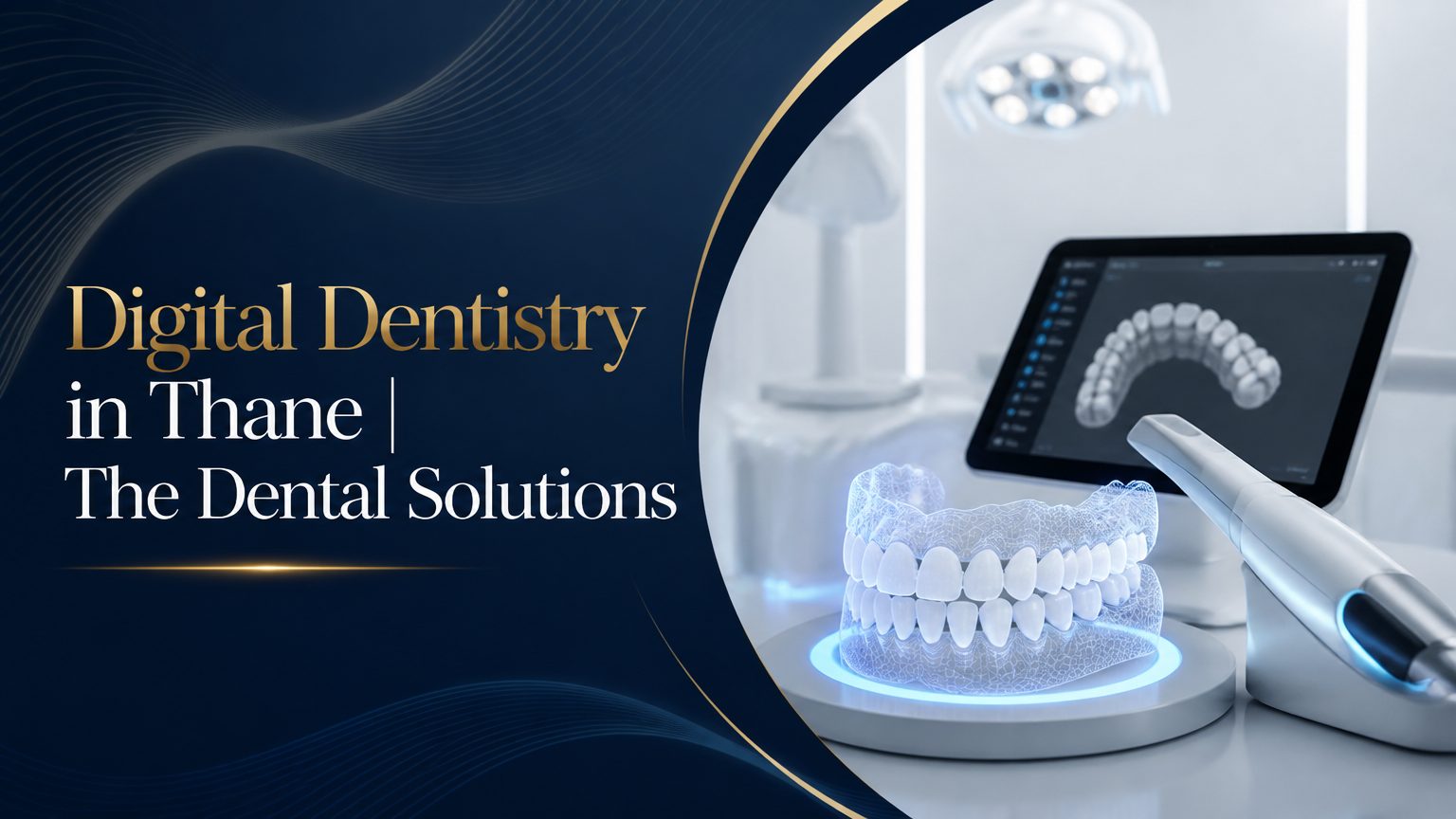
Digital Dentistry in Thane | The Dental Solutions
Discover digital dentistry in Thane 2026 — intraoral scanners, CAD/CAM, CBCT & 3D printing for veneers, implants & align...
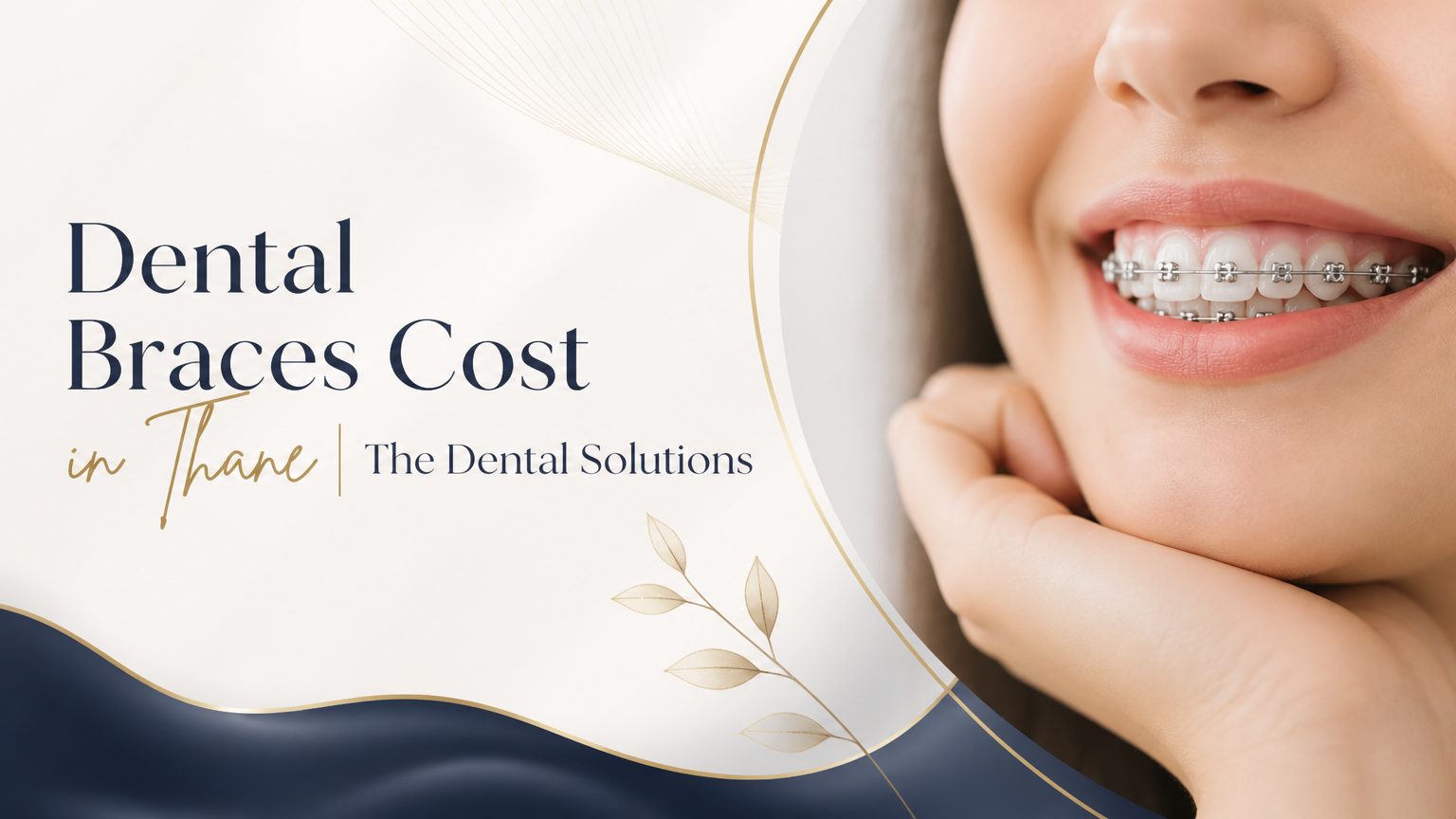
Dental Braces Cost in Thane | The Dental Solutions
Dental braces cost in Thane ranges from ₹25,000 to ₹3,00,000 in 2026. Compare metal, ceramic, self-ligating & clear alig...